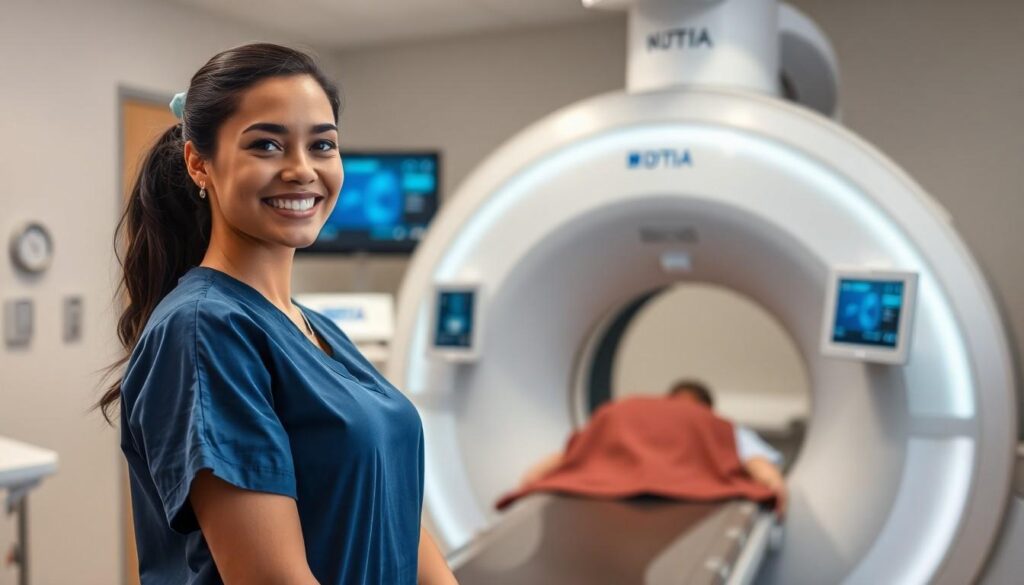
Thinking about becoming an MRI tech? You’re not alone! As healthcare continues to evolve, the demand for skilled technicians is skyrocketing. But how long does it really take to trade in your current job for a career that lets you peek inside the human body without a crystal ball? Spoiler alert: it’s not as long as you might think!
Overview of MRI Technologist Career
MRI technologists play a vital role in modern healthcare. They operate MRI machines to create detailed images of patients’ bodies, assisting in diagnostics and treatment planning. The demand for these professionals has surged, driven by advancements in technology and a growing population that requires medical imaging services.
Education typically involves completing an accredited MRI program. Most programs last from 1 to 2 years, leading to an associate or bachelor’s degree. Certification often follows graduation, with organizations like the American Registry of Radiologic Technologists (ARRT) providing credentials. Obtaining certification enhances job prospects and professional credibility.
Job responsibilities include preparing patients for MRI scans, ensuring their safety during procedures, and maintaining equipment. Technologists must also adhere to protocols that protect patient privacy and data integrity. Skills in patient communication are essential as they help ease concerns and provide instructions during imaging sessions.
The work environment frequently includes hospitals and radiology clinics. MRI technologists often work shifts that cover evenings, weekends, and holidays, reflecting the 24/7 nature of healthcare services. Employment opportunities are projected to grow by about 7% through 2029, according to the U.S. Bureau of Labor Statistics.
Career advancement options exist. Technologists can specialize in areas such as cardiac MRI or pediatrics. With experience, some may take on managerial roles or transition into teaching positions, contributing to the education of future technologists. Through continuing education and certification, professionals remain up to date with technological advancements, ensuring high-quality care for patients.
Education Requirements

Education sets the foundation for a successful career as an MRI technician. Completing specific programs equips aspiring technologists with the skills they need in the healthcare field.
High School Preparation
Preparation begins in high school. Courses in biology, chemistry, and math provide essential knowledge. Additionally, participation in health science or healthcare-related extracurricular activities enhances understanding of the medical field. Graduating with a solid GPA can strengthen college applications. Volunteering in healthcare settings, such as hospitals or clinics, offers practical insights into patient care.
Associate Degree Programs
Associate degree programs in radiologic technology typically last 1 to 2 years. Accreditation by the Joint Review Committee on Education in Radiologic Technology (JRCERT) is crucial for quality education. Students gain hands-on experience through clinical placements alongside classroom learning. Common subjects include anatomy, patient care, and MRI technology. Completing this degree prepares individuals for entry-level positions and eligibility for certification, amplifying job prospects substantially.
Bachelor’s Degree Options
Bachelor’s degree options exist for those seeking advanced education. These programs generally span 4 years and delve deeper into MRI techniques, management, and leadership. Institutions offer a comprehensive curriculum that incorporates advanced imaging and patient interaction skills. Graduates often qualify for higher-level roles and specialization opportunities. Pursuing a bachelor’s degree can open doors to positions in education or management within healthcare facilities.
Certification Process
Certification is essential for MRI technicians to demonstrate their skills and knowledge. Obtaining certification typically involves completing an accredited MRI program followed by passing an exam.
Credentialing Organizations
The American Registry of Radiologic Technologists (ARRT) stands as the primary credentialing organization for MRI technologists. It establishes educational and ethical standards that professionals must meet. Becoming certified by the ARRT opens doors to numerous employment opportunities and enhances a technician’s credibility. Additionally, some states require separate licensure beyond ARRT certification. It’s crucial for candidates to check local regulations, as state requirements may vary.
Exam Preparation Timeline
Preparing for the ARRT MRI certification exam generally spans several months. Many individuals study intensively for 3 to 6 months after completing their education. Developing a study plan that includes reviewing coursework, practice exams, and study groups can enhance readiness. Scheduling the exam soon after coursework completion ensures knowledge remains fresh. Each individual’s timeline may differ based on prior experience and study habits, so personal adjustments might be necessary for optimal preparation.
Job Market and Opportunities
The job market for MRI technicians remains robust, driven by advancements in medical technology and an increasing demand for imaging services. Growth in employment opportunities is projected at about 7% through 2029, signaling strong future prospects. Hospitals and radiology clinics primarily employ these professionals, ensuring a variety of work environments. Specialization in areas like cardiac MRI or pediatrics offers pathways for career advancement and diversification.
Employment Outlook
Employment outlook for MRI technologists reflects a favorable trend due to the aging population and ongoing technological progress. Many healthcare facilities seek qualified MRI techs, resulting in numerous job openings across different states. As medical imaging becomes integral to diagnostic processes, the need for trained technicians increases. This demand allows new graduates and seasoned professionals alike to find suitable positions in diverse healthcare settings.
Salary Expectations
Salary expectations for MRI technicians can vary based on factors like experience and geographic location. According to data from the U.S. Bureau of Labor Statistics, the median annual wage for MRI techs stands at approximately $74,000. Some regions pay significantly more due to higher living costs or demand for skilled professionals. Additionally, specialists in advanced imaging techniques may command higher salaries, reflecting their expertise and advanced training.
Factors Affecting Timeframe
Several factors influence the time required to become an MRI tech. Education pathways and personal commitment are key elements that shape an individual’s journey in this medical field.
Program Variability
Education programs vary significantly in duration and structure. Some accredited MRI programs take 1 to 2 years to complete, leading to an associate degree. Bachelor’s degree options exist and last about 4 years, offering advanced education and specialization opportunities. Institutions may provide different training experiences, so thorough research is necessary to find the right fit. Graduation from these programs is essential for eventual certification and employment.
Personal Commitment
Personal commitment to the education and certification process greatly impacts the timeline. Dedication to studying coursework and completing hands-on training facilitates faster progression. Preparing for the ARRT certification exam may take 3 to 6 months, depending on the individual’s background and study habits. Each student’s ability to balance study schedules and practical experiences also plays a role. With strong commitment, aspiring MRI techs can streamline their path to achieving their career goals.
Becoming an MRI technician is an achievable goal for those committed to pursuing this rewarding career. With education programs ranging from 1 to 4 years and a robust job market, aspiring technicians can find their path relatively quickly. The combination of hands-on training and certification prepares individuals for the demands of the field.
As technology continues to advance and the need for medical imaging grows, MRI techs will play an essential role in healthcare. Those who invest time in their education and certification will not only meet the current demand but also open doors to future opportunities and specializations. The journey to becoming an MRI technician can lead to a fulfilling career with significant growth potential.